The photograph showed up in my camera roll three months after I got back from Phoenix. I was scrolling through vacation pics when I saw myself standing next to a Texaco sign, squinting in the desert sun, holding a bottle of Coke that I don't remember buying.
I definitely don't remember taking the picture.
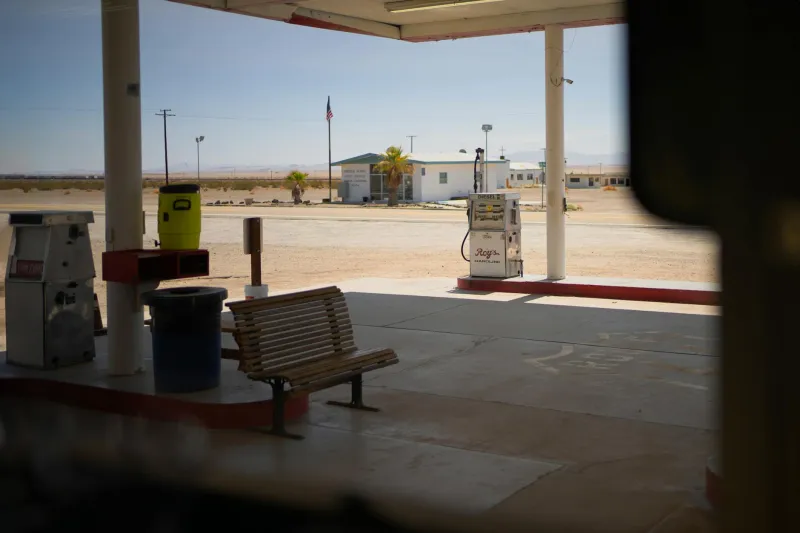
The gas station behind me was the kind you'd expect to find along any stretch of southwestern highway—weathered concrete, hand-painted price signs, the sort of place that survives on desperate travelers and truckers who know every stop between El Paso and Flagstaff. What bothered me wasn't the station itself. It was that I had absolutely no memory of stopping there.
I'm a meticulous road tripper. I plan every stop, save every receipt, document everything. But according to my carefully maintained travel log, I'd driven straight through from Lordsburg to Deming without stopping. No gas. No snacks. No mysterious Coke.
So I did what any reasonable person would do in 2023: I posted about it online.
The responses started within minutes. Dozens of people sharing eerily similar stories about the same stretch of I-10. Same gas station. Same helpful attendant—older Hispanic man, salt-and-pepper mustache, always wearing a blue work shirt with "Miguel" embroidered on the pocket. Same flickering Pepsi sign that buzzed like an angry wasp. Same smell of something sweet and cloying underneath the gasoline fumes.
Same complete absence of the place on any map or GPS system.
A trucker named Danny from Tucson sent me coordinates. When I plugged them into Google Earth, all I found was empty desert and a black scar on the ground that looked suspiciously like the remains of a fire.
That's when I started making phone calls.
The Lordsburg Chamber of Commerce was helpful enough. Yes, there had been a gas station at that location. Opened in 1967, family-owned, served the community for nearly thirty years. Burned down in October 1994 when a cigarette ignited fumes from a leaky underground tank. Miguel Hernandez, the owner, died in the fire trying to save his cash register.
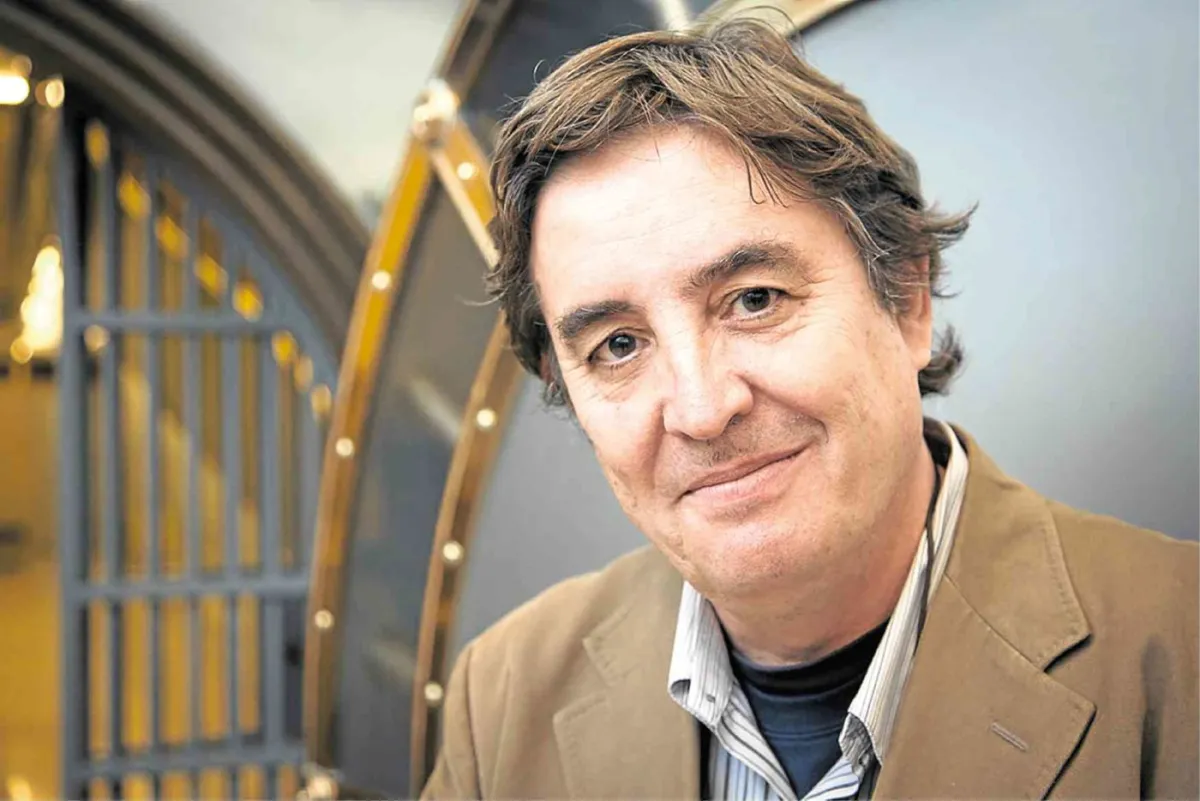 Photo: Miguel Hernandez, via lifestyle.inquirer.net
No one had built anything there since.
I should have let it go. Should have chalked it up to highway hypnosis and false memory syndrome. Long drives mess with your head—every trucker knows that. But the photograph bothered me. Not just because I couldn't remember taking it, but because of what I could see in the background.
A price sign advertising gas at $1.23 per gallon. In 2023.
I started reaching out to the people who'd responded to my post. Sarah from Portland remembered buying a bag of Funyuns and a Dr Pepper, paying with exact change that she somehow had despite not stopping anywhere else for hours. Marcus from Denver swore he'd filled up his tank there just last month, even though his credit card statements showed no such transaction.
Every single person described Miguel exactly the same way. Always friendly, always asking about your travels, always warning about the weather ahead. Always that same sad smile when you thanked him for the service.
The details were too consistent to be coincidence. Too specific to be mass hallucination.
I drove back to the coordinates last weekend. Took the same route, left Phoenix at the same time, even wore the same clothes. The desert looked exactly as it should—empty, stark, beautiful in that desolate way that makes you understand why people used to think the earth was flat.
At mile marker 81, I pulled over.
The burned foundation was still there, barely visible beneath thirty years of windblown sand and hardy desert weeds. Chunks of concrete, twisted metal, the skeletal remains of what had once been gas pumps. A roadside memorial someone had built years ago—plastic flowers faded to white by the relentless sun, a wooden cross with "Miguel Hernandez 1942-1994" carved in careful letters.
I stood there for twenty minutes, waiting for something to happen. For the shimmer of heat on asphalt to resolve into something impossible. For the smell of gasoline and that underlying sweetness that everyone remembered.
Nothing.
But as I was walking back to my car, I noticed something that made my skin crawl. Fresh tire tracks in the sand. Lots of them. Different treads, different vehicles, all leading to and from the exact spot where the gas pumps would have been.
Recent tracks. Some of them couldn't have been more than a few days old.
I took pictures of everything. The foundation, the memorial, the tire tracks. When I got home and uploaded them to my computer, I found something else that shouldn't have been there.
In one of the photos, barely visible in the background, there's a figure standing near where the station office would have been. A man in a blue work shirt, too distant to make out clearly but somehow familiar.
I've enhanced the image every way I know how. Adjusted the contrast, increased the resolution, run it through every photo editing program I can find. The figure remains stubbornly indistinct, like something your eye wants to see but your brain refuses to process.
But I know it's Miguel. Just like I know that somewhere, in some fold of highway reality that maps can't capture, his station is still open. Still serving travelers who need more than just gas and snacks. Still offering that particular kind of comfort that comes from human connection in the vast loneliness of the American road.
I won't be driving that route again. Not because I'm scared—though I am—but because I understand now why everyone pays with exact change. Why no one's credit card ever records the transaction. Why Miguel always asks about the weather ahead.
Some debts can't be settled with money. Some services require a different kind of payment altogether.
And I'm not ready to find out what that payment is.