Linda noticed it on her first walk around the neighborhood. Every house on Sutter Lane had its front door facing the wrong direction.
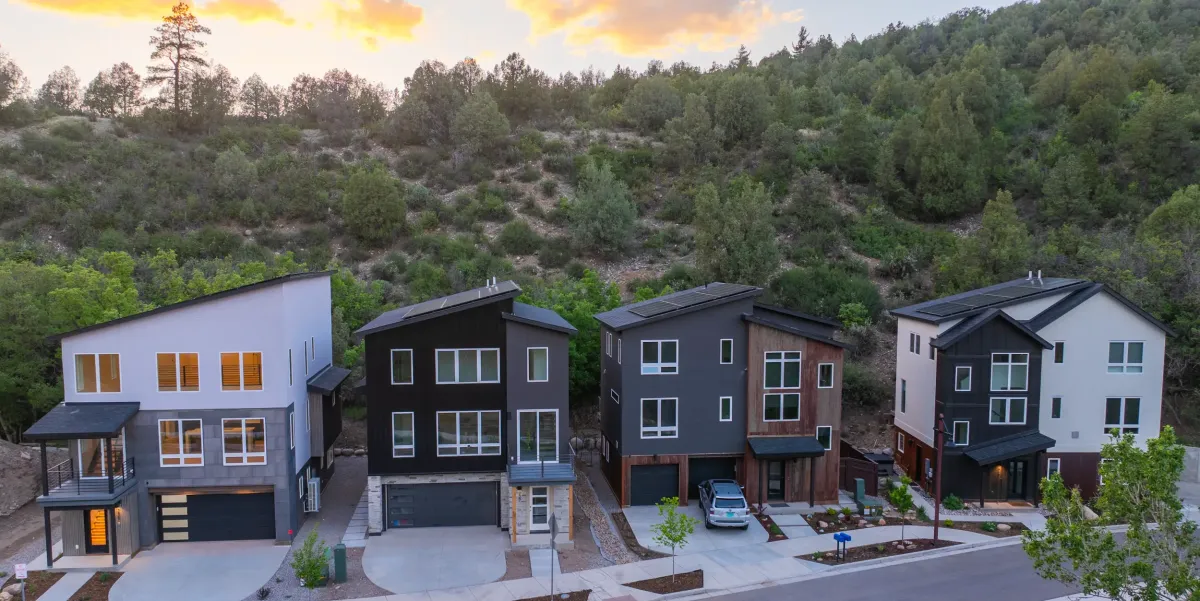 Photo: Sutter Lane, via sutterhomescompany.com
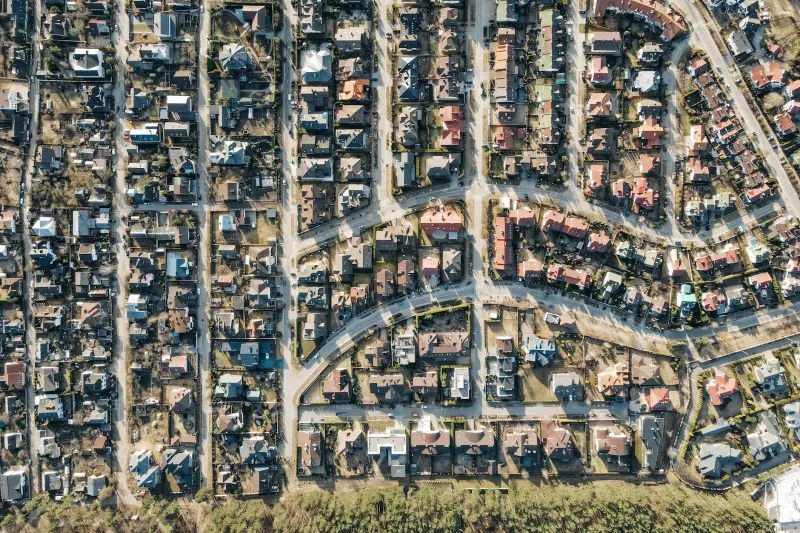
Not wrong, exactly. But unusual. Instead of facing the street like normal suburban homes, each house was positioned with its entrance toward the woods that bordered the back of the development. The driveways curved around to reach front doors that looked out over dense pine trees instead of manicured lawns and mailboxes.
She mentioned it to her realtor during the final walkthrough. "It's actually quite charming," the woman had said, her smile a little too bright. "Very private. The original developer was quite specific about the orientation. Something about maximizing the natural light."
Linda had nodded and signed the papers. Privacy sounded good after the divorce, after eighteen months of legal battles and sleepless nights in a house that had felt more like a crime scene than a home. Sutter Lane promised quiet. It promised a fresh start.
The neighbors were friendly enough, in that polite suburban way that meant you waved from your car and exchanged pleasantries about the weather. Mrs. Chen from the corner house brought over a casserole on moving day. The Kowalskis from across the cul-de-sac helped her carry boxes when the movers left early.
But when Linda asked about the unusual layout of the neighborhood, their answers felt rehearsed.
"Oh, that," Mrs. Chen had laughed, wiping her hands on her apron. "It's for the view, dear. Much prettier to look out at the trees than at the road."
Mr. Kowalski nodded when she brought it up a few days later. "Better for privacy," he said, not quite meeting her eyes. "And the resale value. People pay extra for a wooded view."
Even the mailman had an explanation when she asked him about it. "Helps with the wind," he'd said, stuffing catalogs into her box. "Houses face away from the prevailing winds. Keeps the heating bills down."
They were all reasonable explanations. They all made sense.
But Linda had grown up in Virginia. She knew which way the wind blew, and it wasn't from the direction of the woods.
She started paying attention to the small details. The way Mrs. Chen's kitchen window faced the street, even though her front door faced the woods. The way the Kowalskis had installed floodlights on their back deck—the side that faced the woods—but not on their front porch. The way nobody ever sat on their front steps in the evening, even though the weather was perfect for it.
And she started noticing the sounds.
At first, she thought it was just the normal noise of a wooded area. Branches creaking, leaves rustling, the occasional crack of a fallen tree settling. But the sounds were too regular, too rhythmic. Like footsteps, but not quite. Like breathing, but deeper.
She mentioned it to Mrs. Chen over coffee one afternoon. "Do you ever hear anything strange at night? From the woods?"
Mrs. Chen's cup rattled against the saucer as she set it down. "Oh, you know how it is with woods. Lots of wildlife. Deer, mostly. Sometimes a bear, but they don't usually come this close to houses."
"It doesn't sound like animals," Linda said carefully.
Mrs. Chen's smile never wavered, but something shifted behind her eyes. "You know, dear, I think you'd be more comfortable if you kept your bedroom on the street side of the house. Better for sleeping. Quieter."
Linda had already moved her bedroom to the street side, three weeks after moving in. The sounds were clearer from the rooms that faced the woods, and sleep had become impossible there.
She started researching the neighborhood's history. Sutter Lane was built in 1987 on land that had been farmland for generations. Before that, it had been part of a larger tract owned by the Sutter family, German immigrants who'd settled the area in the 1840s. The family had died out in the 1920s, and the land had sat empty for decades before being sold to developers.
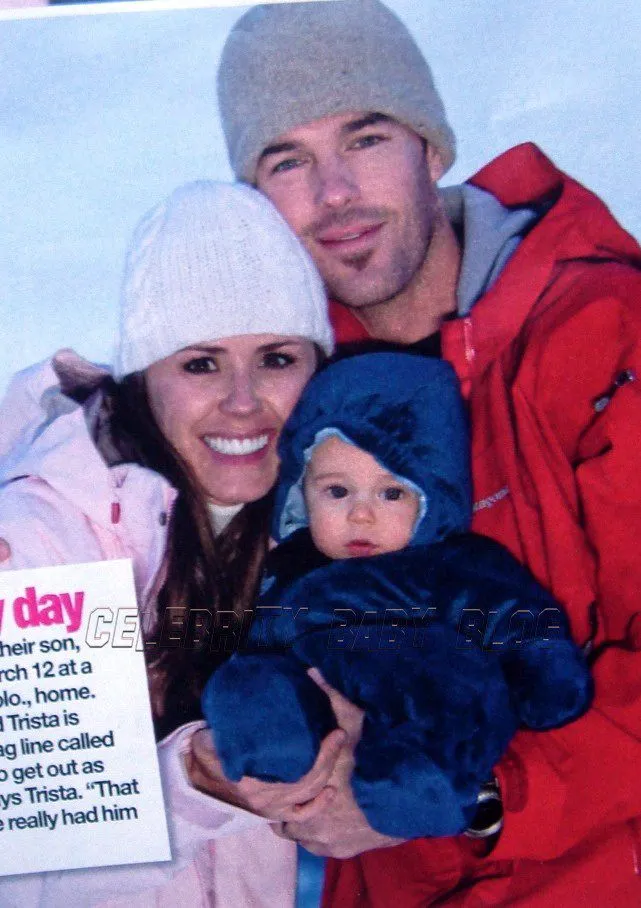 Photo: Sutter family, via people.com
There was one odd detail in the county records. The original building permits for Sutter Lane had been filed twice. The first set showed houses facing the street, like any normal subdivision. The second set, filed three weeks later, showed the current configuration.
The reason for the change was listed as "site-specific environmental concerns."
Linda called the county planning office. The clerk was helpful but couldn't provide any details about what those environmental concerns might have been. "Could be anything," she said. "Drainage, soil composition, protected wildlife habitat. The records from the '80s aren't as detailed as they are now."
But Linda found something else in the records. A complaint filed by a neighboring farmer in 1987, just before construction began. He'd reported "unusual activity" on the Sutter property and requested that the county investigate before approving any development.
The complaint had been dismissed without investigation.
She tried to track down the farmer, but he'd died in 1994. His son still lived in the area, though, and agreed to meet her for coffee in town.
"Dad never talked much about what he saw out there," the son said, stirring sugar into his coffee with shaking hands. "But I remember him saying the developers were smart to face those houses the way they did. Said it was the only way people would be able to live there."
"What did he see?"
The man was quiet for a long time. "Dad said the Sutter family didn't just die out. He said they left. All of them, one night in 1923. Left everything behind—furniture, livestock, even family photos on the mantelpiece. Like they just walked away and never looked back."
"Why?"
"Dad said old Heinrich Sutter came by to talk to him before they left. Told him something had been living on that land long before the Sutters arrived, something that didn't appreciate the company. Heinrich said they'd tried to coexist with it for eighty years, but it was getting impatient."
Linda felt cold despite the warm coffee in her hands. "What kind of something?"
"Dad never said. But he told me once that Heinrich warned him never to build anything on that land that faced the woods. Said if anyone ever did, they'd better make sure they knew what they were looking at."
Linda drove home slowly, thinking about front doors and floodlights and the sounds that came from the woods every night. Thinking about environmental concerns and building permits and the way her neighbors' explanations never quite lined up.
That evening, she stood in her kitchen and looked out the window that faced the street. Normal suburban view—lawns, driveways, mailboxes. Then she walked to her living room and looked out the sliding glass door that faced the woods.
The trees were dense and dark, even in the fading daylight. But between the trunks, she could see something that might have been movement. Something large and pale that seemed to shift just at the edge of her vision.
She thought about the way all the houses were positioned, like a row of sentries standing guard. All facing the same direction, all watching the same thing.
And for the first time since moving to Sutter Lane, Linda understood that the houses weren't facing the woods at all.
They were facing away from the road.
Away from the rest of the world.
Toward whatever lived in those trees and had been waiting patiently for eighty years for someone to acknowledge its presence.
The next morning, Linda called her realtor about putting the house back on the market. But first, she was going to install floodlights on her back deck.
Just like all her neighbors had done.
Just like they'd all learned to do, eventually.